
How Do Dental Offices Ensure a Stress-Free Checkups for Kids?
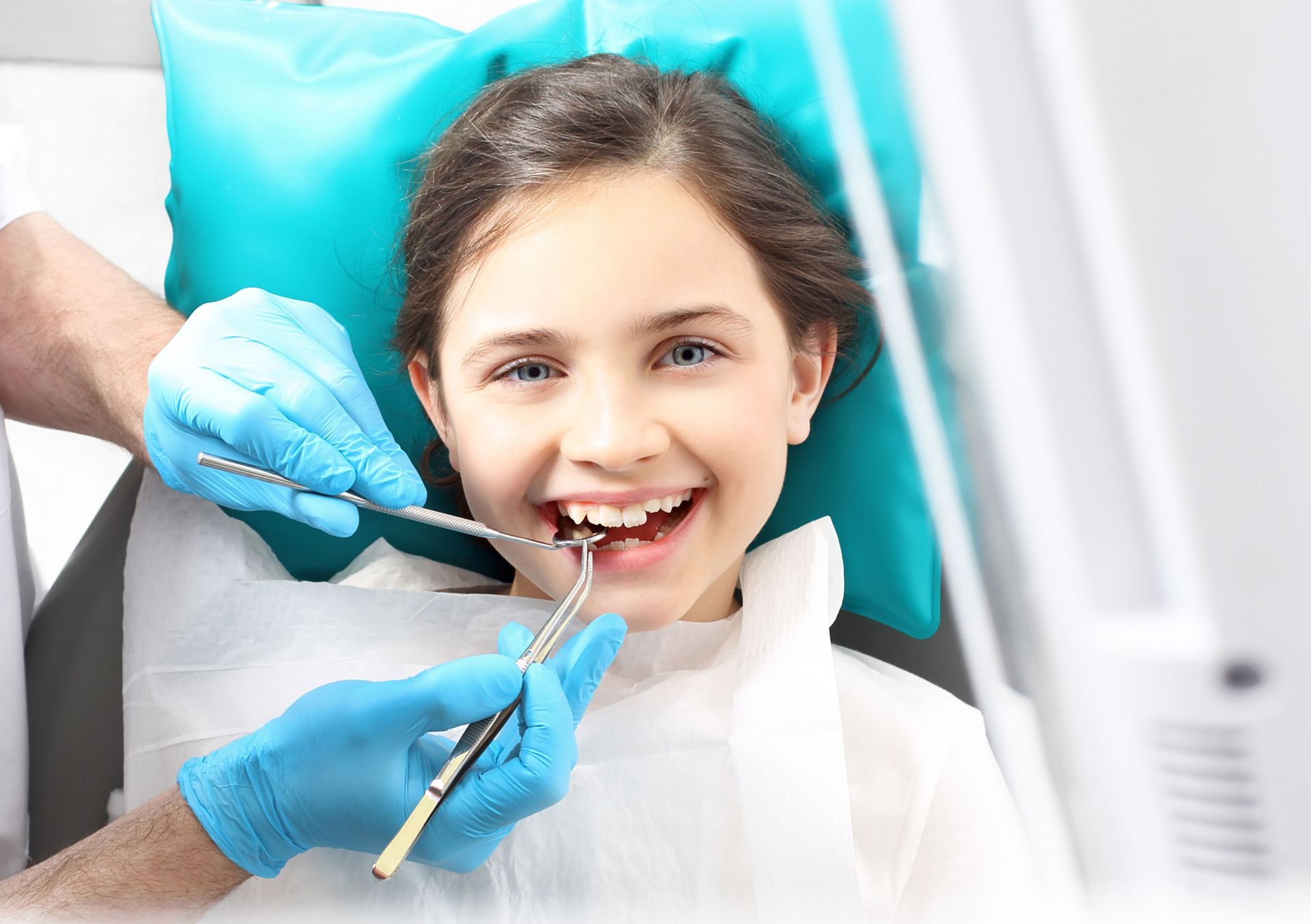
The journey toward a lifetime of healthy smiles begins with the very first visit to a pediatric specialist. For many parents, the prospect of taking a young child to a medical setting can be daunting, filled with visions of tears and resistance. However, modern pediatric dentistry has evolved into a sophisticated field that prioritizes emotional well-being just as much as clinical excellence. The environment of a professional clinic is no longer defined by sterile white walls and intimidating machinery. Instead, these spaces are thoughtfully designed to mitigate fear and replace it with curiosity and comfort. By understanding the psychological development of children, oral health professionals have developed a suite of techniques that transform a potentially scary appointment into an educational and even enjoyable experience.
Creating a positive association with oral healthcare early in life is vital for long-term wellness. When a child feels safe and supported, they are more likely to cooperate during procedures and develop a proactive attitude toward their own hygiene habits. This foundation is built through a combination of environmental cues, specialized communication methods, and a patient-centered approach that honors the unique temperament of every young patient. From the moment a family enters the building, every detail is orchestrated to signal safety and fun, ensuring that the child feels like a guest of honor rather than a subject of a procedure. By removing the mystery and the clinical coldness often associated with healthcare, professional dental offices serve as a bridge to a healthier future.
Designing Child-Friendly Environments
The physical layout of a clinic plays a paramount role in how a young patient perceives their visit. Specialists often invest significant resources into creating waiting areas that resemble playrooms rather than clinical lounges. Bright colors, interactive wall murals, and dedicated play zones filled with toys or digital games help to distract a child from any underlying nerves. This intentional design serves to normalize the setting, making it feel familiar and approachable. When a child is engaged in play before their name is even called, their heart rate remains steady and their mind remains open to the upcoming interaction.
Beyond the waiting room, the treatment areas are also tailored to a younger demographic. Overhead televisions featuring popular animated movies and ceiling-mounted decorations provide a focal point for the child while they are in the chair. The equipment itself is often tucked away or disguised to prevent it from appearing threatening. Many dental offices even use flavored polishing pastes and colorful instruments to make the process feel like a sensory adventure. By appealing to a child’s sense of sight and sound, the clinic effectively creates a bubble of comfort that shields the patient from the more clinical aspects of the checkup.
Utilizing Gentle Communication Techniques
The way a professional speaks to a child can make the difference between a successful visit and a stressful one. Pediatric specialists are trained in a technique known as tell-show-do, which involves explaining a procedure in simple terms, demonstrating it on a stuffed animal or the child’s finger, and then performing the task exactly as described. This transparency eliminates the element of surprise, which is often the primary source of anxiety for children. By using non-threatening vocabulary—referring to the suction tool as a thirsty straw or the x-ray machine as a camera—the staff can explain complex concepts without causing alarm.
Praise is another powerful tool in the pediatric communicator’s arsenal. Every small victory, such as opening wide or sitting still for a moment, is met with enthusiastic reinforcement. This builds the child’s confidence and encourages them to continue their cooperative behavior. Furthermore, the staff members are experts at active listening, allowing the child to express their feelings or ask questions. When a child feels heard, they feel a sense of control over the situation, which significantly reduces their stress levels. Many dental offices prioritize this rapport-building phase, knowing that a strong emotional connection is the best anesthetic for fear.
Providing Comprehensive Preventive Education
Education is a cornerstone of a stress-free checkup because it empowers both the parent and the child. During a routine visit, the focus is often on teaching proper brushing and flossing techniques in a way that feels like a game. By involving the child in the care of their own teeth, the practitioner shifts the dynamic from something being done to the child to something the child is doing for themselves. This sense of agency is a major factor in reducing the helplessness that often leads to dental phobia.
The importance of this education cannot be overstated when looking at national health trends. According to Colgate, about 20% of U.S. children aged 5 to 11 have at least one untreated cavity, and approximately 14% of those aged 12 to 19 face the same issue. By addressing these concerns through gentle education and early intervention, practitioners can prevent the need for more invasive and potentially stressful procedures later in life. Professional dental offices work tirelessly to ensure that parents understand the role of nutrition and home care in maintaining a cavity-free smile, creating a partnership that extends far beyond the walls of the clinic.
Offering Safe Sedation Options
In cases where a child suffers from extreme anxiety or requires a lengthy procedure, various levels of sedation can be utilized to ensure comfort. Nitrous oxide, often referred to as laughing gas, is a common and very safe option that helps a child relax while remaining fully awake. It is administered through a small mask that fits over the nose and carries a sweet scent.
Implementing Efficient Appointment Scheduling
The timing of an appointment can significantly impact a child's behavior and stress levels. Many pediatric clinics recommend scheduling checkups during the morning hours when children are well-rested and most cooperative. A tired or hungry child is much more likely to experience a meltdown, regardless of how friendly the environment may be. Specialists also strive to keep wait times to a minimum, as long periods of anticipation can cause anxiety to build in both the parent and the child.
Efficiency during the actual procedure is also a priority. Pediatric practitioners are skilled at working quickly and accurately, minimizing the amount of time a child needs to remain still. They often use a team-based approach, with assistants ready to provide distractions or hand over instruments at a moment's notice. This streamlined workflow ensures that the child spends the least amount of time possible in the chair while still receiving thorough care. High-quality dental offices recognize that a child’s attention span is limited, and they tailor their pace to match the developmental stage of the patient.
As children grow and their needs change, the consistency of this supportive environment provides a sense of security. Parents can feel confident knowing that their children are in hands that value their peace of mind as much as their oral hygiene. The ultimate success of a pediatric visit is not measured merely by the absence of cavities, but by the willingness of the child to hop back into the chair with confidence six months later. By combining clinical expertise with a heart for children, the modern clinic ensures that every smile is a happy one.
We at North Salem Dental Care are dedicated to providing your family with a warm and supportive environment where every child feels safe, heard, and cared for during their journey to a healthy smile.



Share On: